
Reset in Five: AI Micro‑Breaks for Calm and Focus
Today we explore reducing stress and refocusing with five‑minute AI micro‑breaks: brief, guided pauses that blend breath pacing, micro‑stretches, calming soundscapes, and reflective prompts. You will discover practical routines, friendly science, and simple tools that help your nervous system settle, your attention brighten, and your motivation return. Try a tiny reset while reading, share which part immediately helped, and subscribe for new, concise guidance that respects your time, avoids jargon, and fits real life with meetings, deadlines, and unexpected moments that demand clarity.
Why Short Pauses Work: The Science in Plain Language
Five minutes is enough to nudge your body from fight‑or‑flight toward rest‑and‑digest by slowing breathing, lengthening exhales, and softening posture. These gentle shifts can raise heart rate variability, quiet overactive stress circuits, and free your prefrontal cortex to prioritize again. Short, consistent recoveries compound across a day, reducing cognitive fatigue without sacrificing momentum. Think of them as tiny investments that keep attention flexible and confidence stable, especially when complexity mounts and decisions start to feel heavier than they need to be.
Design a Five‑Minute Flow You’ll Actually Use
Effective micro‑breaks feel natural, inviting, and almost frictionless. Start by shaping a flow that fits real constraints: headphones at your desk, a quiet corner near the kitchen, or a standing stretch beside a balcony door. Anchor the routine to existing habits—after sending a big email or before joining long meetings—so you remember without excessive willpower. Keep steps simple, timed, and repeatable. If any element creates resistance, shrink it, soften it, or swap it. Consistency grows when the path feels light.

Smart Tools Without the Noise
Choose tools that reduce friction, respect privacy, and encourage presence rather than endless tracking. A good companion offers offline breathing guides, minimal taps to start, and compassionate reminders that never shame you for missing a session. Wearables can help only if they stay in the background and translate signals into simple suggestions. Sound is optional but powerful when it is consistent, soft, and repeatable. Above all, let technology stay small so your attention stays with your body, breath, and intention.

Choosing the Right Companion App
Look for a clean interface, large start button, and presets like Calm Breath, Stretch and Reset, or Planning Pause. Skip complicated sign‑ups and dashboards that encourage more scrolling than breathing. An AI guide should adapt cues to your pace, not chase streaks for vanity. Data storage must be transparent and optional, with local logging available. If starting a session takes more than two taps, keep searching. The best tool disappears, leaving you with steadier rhythm and clearer attention.

Wearables and Tiny Signals
A smartwatch can vibrate gently when heart rate climbs unusually during sedentary work, suggesting a micro‑break before tension spirals. Minute‑level heart rate variability trends help you notice patterns across afternoons or after tough meetings. Avoid obsession: you want helpful nudges, not constant evaluation. Disable distracting notifications, let vibrations be subtle, and celebrate trends over time. Pair one sensor insight with one behavior, like two minutes of slower exhale, so technology supports embodiment instead of replacing it.
Make Micro‑Breaks Work at Work
Professional environments often reward constant availability, yet steady performance depends on humane rhythm. Integrate resets so they are discreet, respectful, and socially positive. Use calendar labels like Focus Reset, practice headphone etiquette, and normalize one‑minute breaths before intense calls. Propose a brief collective pause in long meetings to improve decisions, not as wellness fluff. Frame micro‑breaks as performance infrastructure that protects clarity and reduces rework. When the culture values recovery, people deliver more consistently and feel proud of how they work.
The Quiet Desk Reset
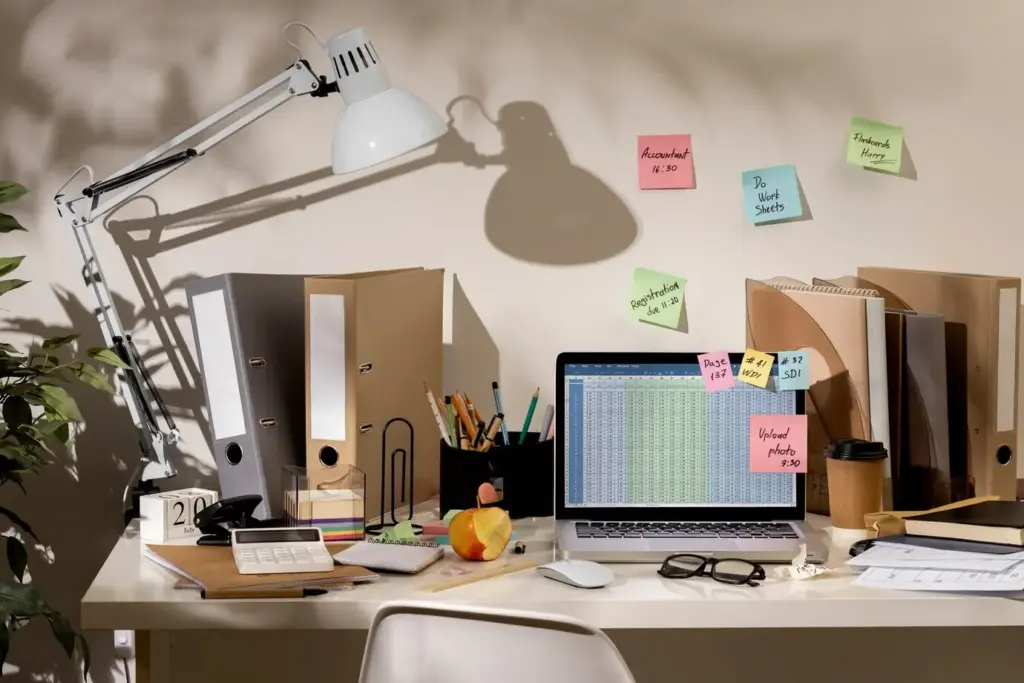
Place both feet on the floor, lower shoulders, and breathe 5‑5‑5: five slow breaths with five‑count inhales and slightly longer exhales. Roll wrists, wiggle toes, soften eyes. Keep the screen on a neutral page to avoid triggers. Mark a five‑minute block after heavy tasks to prevent momentum crashes. If you share space, use a brief status note, Back in 5, to remove ambiguity. This tiny ritual reduces tension without fanfare and earns back focus faster than pushing through.
Meeting Moments That Help Everyone
Invite a thirty‑second breath at the start of long meetings, then a ninety‑second stretch at the midpoint, framing both as clarity boosts. Keep cameras optional for the stretch, and offer a simple cue: inhale, reach; exhale, release. Leaders can model without making it performative. Add a final twenty‑second reflection: What is our single next step? This tiny cadence reduces rambling, protects attention, and respects energy budgets. People rarely resist when the benefit is immediate and the ask is small.
Remote Habits That Stick
Remote days blur boundaries, so build environmental anchors. Keep water within reach, set a gentle chime every seventy‑five minutes, and pair breaks with small movements like hallway steps or balcony air. Use status messages to signal a short reset without apologizing. Turn off video for one minute to rest eyes, then rejoin with a concise action. An AI assistant can queue a quick breathing guide and a re‑entry checklist. Over time, these micro‑habits protect focus from endless digital drift.
Real People, Brief Stories
Small, honest stories remind us that change can be humble and powerful. Five minutes may sound trivial until it rescues an afternoon, averts an argument, or makes a tough decision kinder. Below are three snapshots from everyday lives where AI‑guided micro‑breaks helped bring steadiness back. As you read, consider your own moments that could use a soft reset. Share one experience in the comments so others can learn from you, and help build a library of practical, compassionate ideas.

Measure, Iterate, and Celebrate
A Dashboard That Fits on One Screen
Keep three indicators only: sessions completed, average mood change, and a short note about what worked. Use simple colors and weekly views to avoid daily pressure. An AI summary can pull patterns like, afternoons after meetings benefit most from breath plus stretch. Export takes one tap if you want to share with a coach or teammate. If it feels like a chore, shrink it further. The dashboard should serve your calm, not become another task demanding attention.
Signals You Can Feel
Not every improvement shows up as a number. Notice lighter shoulders, fewer sighs of frustration, easier transitions between tasks, or quicker recovery after feedback. Pay attention to how conversations land when you pause first, and how often you recall important details without digging. These are powerful, lived metrics. Jot one sentence after a reset—Today felt steadier because—and let those lines become proof you can trust. Feeling safer in your own body is a meaningful outcome worth honoring.
Weekly Review Ritual
Set a ten‑minute appointment on Friday to scan highlights. Which reset felt effortless? Which step caused friction? What tiny change could make Monday smoother? Ask an AI assistant for a one‑paragraph reflection and a new five‑minute recipe to test. Share one insight with a colleague or friend to reinforce it. Close by naming a small win out loud. This gentle loop keeps experimentation alive, celebrates progress, and ensures your micro‑breaks evolve with your season, not against it.
All Rights Reserved.